
What is Robotics? A Beginner Guide
A simple introduction to robotics for students and beginners.
Introduction
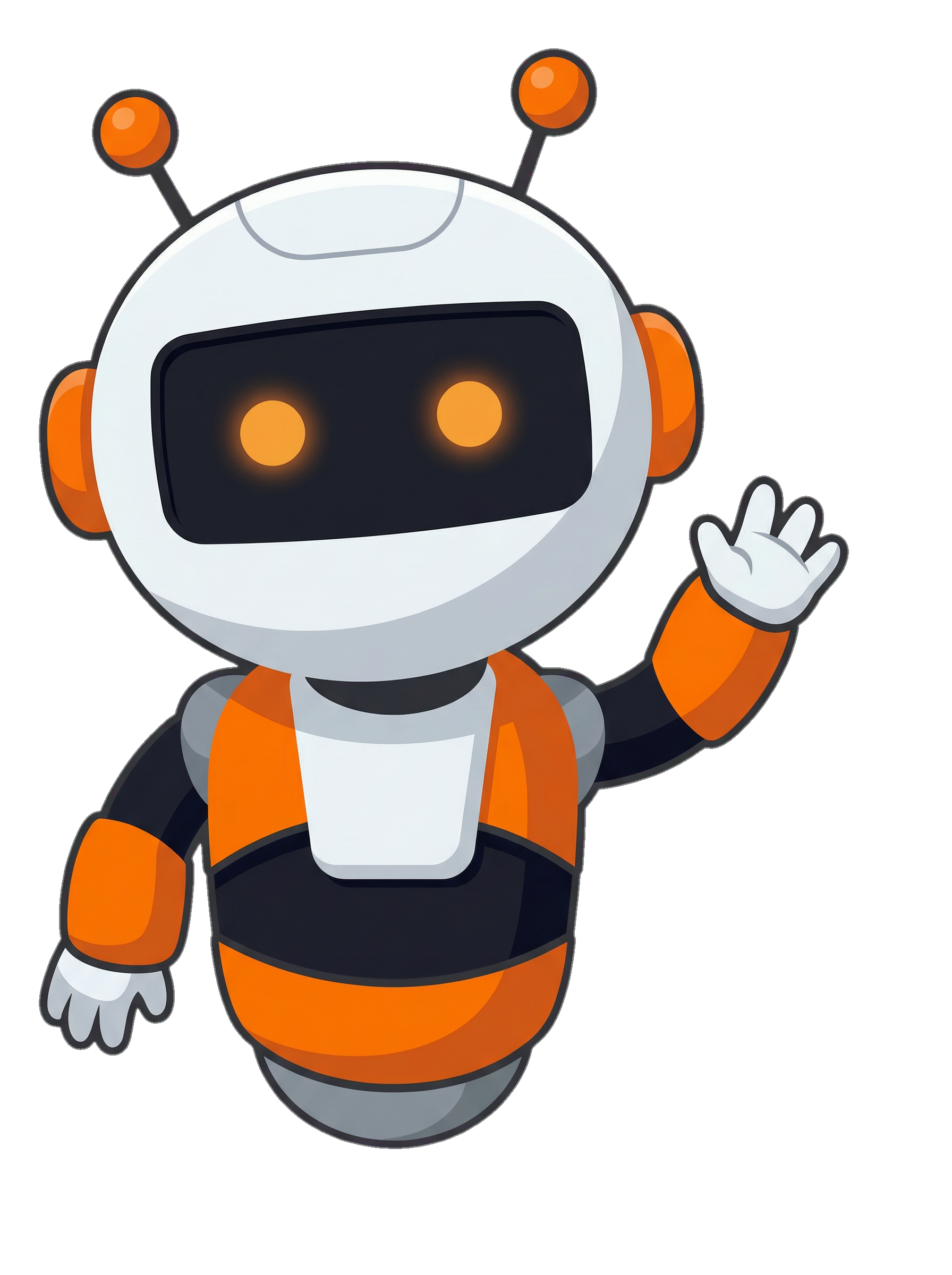
Robotics is the science of building machines called robots.
A robot is a machine that can do work automatically.
Robots follow instructions from computer programs and can perform tasks without constant human control.
Today robots are used in factories, hospitals, warehouses, farms, and even space missions.
Robotics is one of the fastest growing technologies in the world.
Many students in India are now learning robotics because it offers exciting career opportunities.
What You Will Learn
In this article you will learn:
- What robotics means
- What a robot is
- Main parts of a robot
- Types of robots
- Where robots are used
What is a Robot
A robot is a machine that performs tasks automatically.
Robots follow instructions written in a program.
Some robots work completely on their own while others are controlled by humans.
Examples of robots include:
- Factory robot arms
- Cleaning robots
- Delivery robots
- Space robots used by NASA
Robots help perform jobs that are repetitive, dangerous, or very precise.
Main Parts of a Robot
Every robot has three main components.
Sensors
Sensors help robots understand their environment.
Examples include cameras, distance sensors, and touch sensors.
Sensors work like the eyes and ears of the robot.
Controller
The controller is the brain of the robot.
It processes information from sensors and decides what action the robot should take.
Common controllers used in robotics include Arduino and Raspberry Pi.
Actuators
Actuators allow robots to move.
Examples include motors, wheels, and robotic arms.
Actuators help robots perform actions such as lifting objects or moving from one place to another.
Types of Robots
Industrial Robots
These robots work in factories and manufacturing plants.
Service Robots
These robots assist humans in daily tasks.
Examples include cleaning robots and delivery robots.
Medical Robots
Medical robots help doctors perform complex surgeries.
Humanoid Robots
Humanoid robots look similar to humans and interact with people.
Examples include Tesla Optimus and Honda ASIMO.
Where Robots Are Used
Manufacturing
Factories use robots to assemble products quickly.
Healthcare
Robots assist doctors during surgery.
Space Exploration
Robots help explore planets such as Mars.
Agriculture
Robots help farmers monitor crops.
Warehousing
Companies like Amazon use robots to move packages.
Real World Example
Amazon warehouses use thousands of robots to move shelves and packages.
These robots help workers find products faster and ship orders quickly.
This increases efficiency and reduces manual labor.
Future of Robotics
Robots are becoming smarter with Artificial Intelligence.
In the future robots may help with:
- Home services
- Elderly care
- Transportation
- Construction
- Disaster rescue operations
Robotics will create many new jobs in engineering and automation.
Simple Summary
Robotics is the science of building machines that perform tasks automatically.
Robots use sensors, controllers, and motors to operate.
They are used in many industries including manufacturing, healthcare, and space exploration.
Robotics will play an important role in the future of technology.
!Key Points
- Robotics is the science of building robots
- Robots use sensors, controllers, and motors
- Robots are used in factories, hospitals, and warehouses
- Robotics is one of the fastest growing technologies